
Jan 7 | Posted By: John Maher
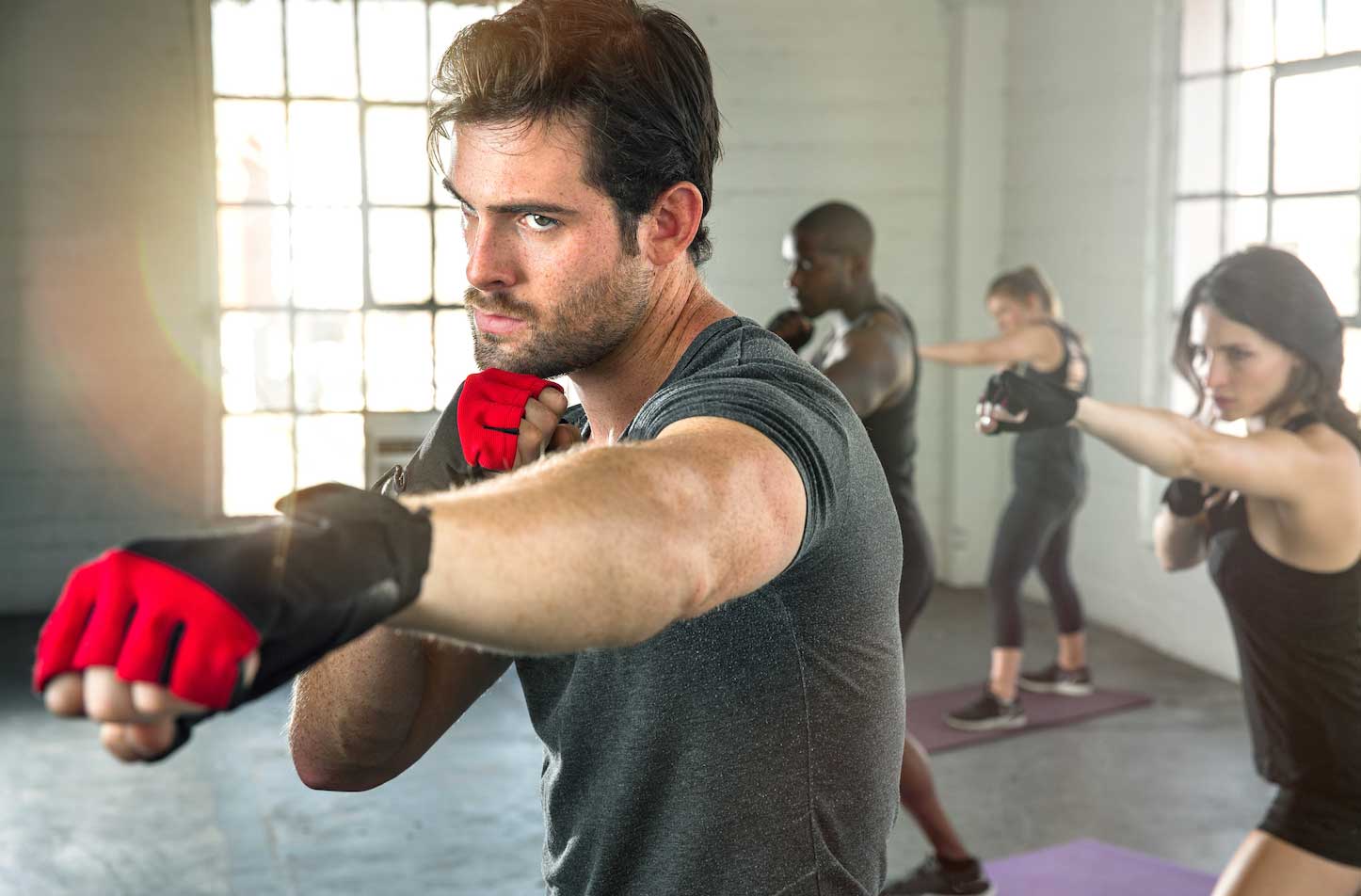
A boxing workout class stops plateauing because your body never settles into predictable movement. Plateaus usually appear when training repeats the same motor patterns for too long. Muscles adapt, neural drive slows, and intensity naturally fades.
Boxing interrupts that cycle immediately.
Each round rotates through rapid force production, reactive movement, and controlled recovery. Rotational punches recruit the hips and core, while footwork challenges balance and spatial awareness. Heart rate shifts from moderate effort to high-intensity spikes, which stimulates new metabolic and neuromuscular adaptations.
Seattle trainers see progress return quickly because varied demands keep your system alert.
In a fitness community that often leans towards lifting, running familiar routes, and steady cardio sessions, boxing adds explosive movement and skill-based conditioning. The change wakes up underused muscles and breaks mental monotony.
For anyone ready to restart progress, Local Fit Seattle offers Boxing Training that builds strong technique and sustainable conditioning so you feel momentum again. Our First Hill and Capitol Hil Locations are always taking new members!
A boxing workout resets progress because it introduces variables your body cannot predict. Speed work forces quick bursts of power. Conditioning drills hit different energy systems. Techniques evolve as you learn, which recruits new muscle groups.
What is behind plateau breakthroughs?
Average heart rates rise into challenging zones, which lifts overall conditioning. Skill development increases muscular activation and improves coordination. Clients in Seattle often notice changes within weeks because the work demands attention and full-body effort.
| Training Focus | What It Targets | Why It Helps Break Plateaus |
|---|---|---|
| Technique drills | Form, accuracy, balance | Adds new motor skills that spark adaptation |
| Bag rounds | Power, rotation, conditioning | Creates high-intensity bursts that shake routine fatigue |
| Conditioning circuits | Endurance, agility, stamina | Pushes sustained effort in short windows |
A boxing workout hits muscles that traditional routines often leave undertrained. Rotation plays a big role. Your core fires to stabilize each punch. Hips and legs drive the movement, which builds strength in areas that long cardio sessions never reach.
Sequential movements keep your body working as one unit. Punches demand coordination, not isolated muscle contractions. That alone disrupts plateau patterns because your body must react to new demands.
Fresh stimulus keeps progress moving. Form improves, power increases, and endurance climbs because your muscles learn to work together.
Seattle athletes plateau for reasons tied to local habits and training tendencies. Many shift into indoor routines during long winters. Repetition creeps in, and workouts lose variety. Boxing steps in as a reset button.
Common patterns trainers see across Seattle include:
Boxing addresses these issues by adding speed, rotation, and unpredictability. Footwork improves mobility. Punching mechanics sharpen coordination. Trainers across the city use these elements to help clients push past stagnant phases.
Learning punch mechanics sparks new progress because skill-based training forces your brain and body to work together in new ways. Stance, guard, and punch sequencing demand focus. Your core fires before your arm moves. Your hips rotate with intention.
Every punch becomes a coordinated pattern rather than a simple arm movement.
Skill development keeps training fresh. Mental adaptation slows plateaus, so introducing new mechanics pulls you forward again. Seattle trainers see quick improvements when clients absorb new skills because learning shifts attention back to form, timing, and purpose.
Progress starts to feel exciting again, which helps you stay consistent.
Boxing works well as cross-training because it blends speed, strength, and conditioning in one workout. Seattle athletes gain even more when they pair boxing with other training methods. The mix helps you stay mobile, explosive, and conditioned for anything your plan demands.
Neighborhoods like Capitol Hill, Downtown, First Hill, and nearby pockets offer a broad mix of training styles. Boxing fits naturally into that landscape by adding variety and kinetic movement. The pace keeps your body adapting while your other programs stay productive.

Local Fit Seattle uses boxing drills and structured conditioning to help clients push past plateaus. Trainers watch how you move, then adjust your stance, rotation, and tempo in ways that match your current fitness level. New skills fire different muscles, and tailored rounds keep intensity high without overwhelming you.
Seattle trainers on our team track how clients respond to rotation, speed, and short bursts of power. Individualized boxing drills work well for beginners because technique builds confidence fast. Advanced clients benefit from tighter combinations and controlled movement patterns. Programming stays varied so your body keeps adapting.
Our coaching team at Local Fit Seattle uses this approach every day. You can learn more about our training style on our homepage.
A boxing workout helps prevent plateauing by introducing new movement patterns, varied intensity, and skill-based mechanics that activate fresh muscle groups. Learning technique forces your body to adapt instead of repeating the same predictable motions.
Adding one or two boxing sessions a week brings enough variation to restart progress. Consistency matters here, and most Seattle trainers find that a steady weekly rhythm keeps adaptation moving.
Beginners see benefits right away because learning stance, guard, and punch mechanics activates muscles that typical workouts rarely target. Even basic technique adds fresh stimulus.
Boxing supports strength training by improving rotation, conditioning, and speed. The movements sharpen coordination and help lifters generate stronger force through better body mechanics.